Angela's Research Experience
During my time at the University of Central Florida, I contributed to research exploring clinical rehabilitation outcomes, evidence-based practice, and the use of emerging technologies in mental health care. These experiences strengthened my analytical and scientific writing skills, deepened my understanding of research methodology, and reinforced my commitment to advancing healthcare through ethical, evidence-based approaches.
AI in Mental Health Care
As part of my coursework in Health Sciences at the University of Central Florida, I conducted a group research project titled “AI Chatbots in Mental Health Therapy: Psychogenic Cybernetics.” This study examined the ethical, relational, and clinical implications of using artificial intelligence, specifically chatbots and virtual therapists in mental health care. I found this topic intriguing because of my interest in the intersection between technology and human well-being, and my curiosity about whether AI could truly replicate the empathy and ethical judgment central to therapeutic practice. My role involved leading the literature review, synthesizing peer-reviewed findings, and co-presenting our results through a written report. Our group concluded that while AI can support mental health care by improving accessibility and data organization, it remains limited in emotional understanding and ethical accountability, making it better suited as a supplementary tool rather than a replacement for human therapists. This project enhanced my critical analysis, academic writing, and teamwork skills—all of which I will apply in graduate studies through evidence-based reasoning, ethical reflection, and research-driven clinical practice.

Rotator Cuff Injury
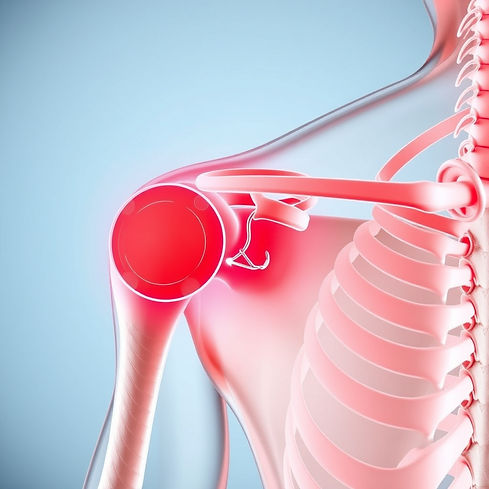
In another research project, I analyzed a clinical trial investigating the effects of early range of motion (ROM) exercises following rotator cuff repair surgery. The study compared traditional sling immobilization with early postoperative movement to determine which approach led to better recovery outcomes. My role involved reviewing the trial’s methodology, interpreting outcome measures such as range of motion and functional recovery, and evaluating statistical results using evidence-based reasoning. The findings suggested that early ROM can promote faster functional improvement without compromising tendon integrity. This project strengthened my understanding of clinical research design, data interpretation, and rehabilitation principles—skills that directly support my preparation for graduate studies in occupational therapy.